What Is an Unvented Hot Water Cylinder and Is It Right for Your Home?
Hot water demand has changed in many homes. Larger showers, additional bathrooms and busy households can all place more pressure on a traditional hot water system.
If your existing setup struggles when more than one tap is used, an unvented hot water cylinder may be worth considering. These systems store hot water under mains pressure, helping deliver strong flow to several outlets without requiring a cold water tank in the loft.
However, an unvented cylinder is not automatically the right choice for every property. The incoming water supply, available space, household demand and chosen heat source all need to be assessed before installation.
Quick Answer
An unvented hot water cylinder stores heated water and supplies it directly from the mains, providing strong hot water flow without a cold water storage tank in the loft. It can be a good option for larger households, homes with multiple bathrooms and properties where several taps or showers may be used together. The incoming mains pressure and flow rate must be suitable, and the cylinder must be installed and maintained by a qualified engineer who is competent to work on unvented systems.
What Is an Unvented Hot Water Cylinder?
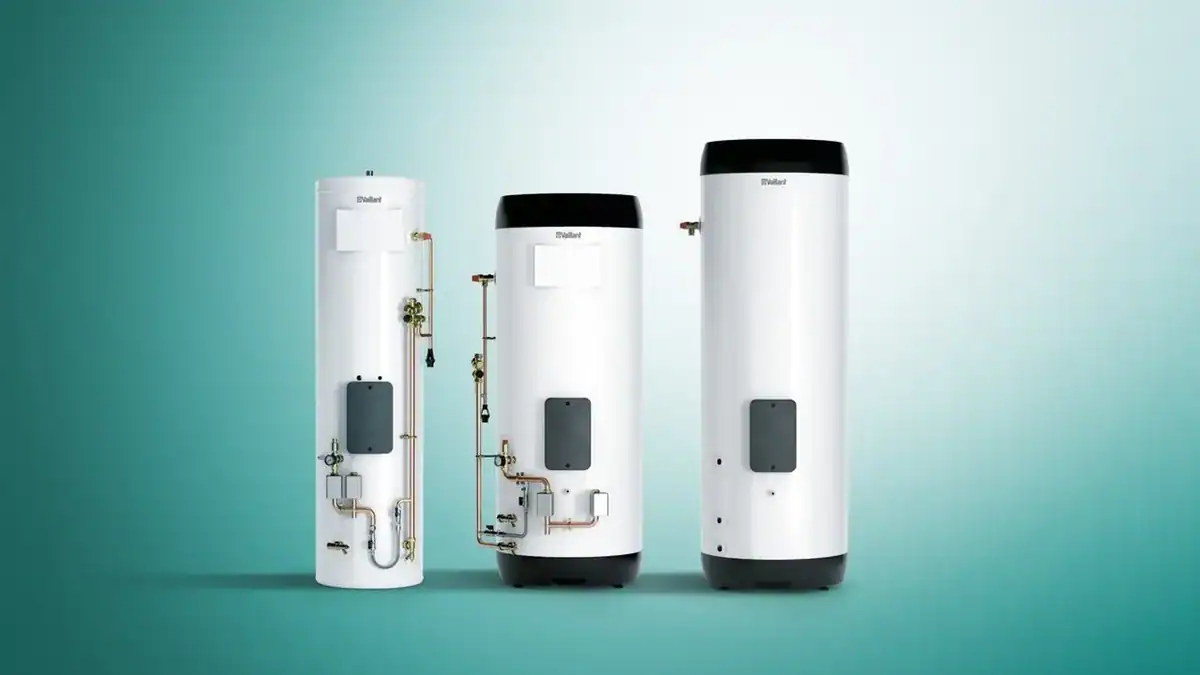
An unvented cylinder is a sealed hot water storage vessel connected directly to the cold-water mains. As hot water leaves the cylinder for a tap, bath or shower, mains water enters to replace it.
Unlike a traditional vented cylinder, an unvented system does not rely on a separate cold water tank in the loft. Pressure is provided by the mains supply, which can support stronger flow at outlets when the incoming supply and pipework are suitable.
Home Heating Experts provides professional unvented cylinder installation and maintenance in Derby, with the system selected around the property and its expected hot water demand.
How Does an Unvented Cylinder Work?
The cylinder stores a volume of hot water ready for use. It may be heated indirectly by a boiler or another compatible heat source through a coil inside the cylinder. Many models also include an electric immersion heater for backup or additional heating.
Because the system is sealed, it uses components that manage pressure and temperature safely. These can include an expansion vessel or internal expansion space, pressure-reducing valve, temperature controls, safety valves and discharge pipework.
These safety components are essential. They should not be adjusted, capped or removed by the homeowner.
How Is It Different From a Vented Cylinder?
A vented cylinder normally receives cold water from a storage tank positioned above it, commonly in the loft. The height of that tank creates the pressure used to deliver hot water.
An unvented cylinder is supplied directly from the mains, so the loft tank is not needed. This can free loft space and often improves hot water pressure, although performance remains dependent on the incoming mains supply.
Both types store hot water and can be suitable in the right home. The decision should be based on the property, existing system and required performance rather than assuming one design is always better.
How Is an Unvented Cylinder Different From a Combi Boiler?
A combi boiler heats water when a hot tap is opened, so it does not normally require a separate hot water cylinder. This can save space and work well in smaller homes with moderate hot water demand.
An unvented cylinder stores a larger amount of hot water in advance. This can make it more suitable for households that want to use multiple showers, taps or baths at similar times.
The guide to combi, heat-only and system boilers explains how different boiler types meet different heating and hot water requirements.
What Are the Main Benefits?
A correctly designed unvented hot water system can provide several practical benefits:
- Strong hot water flow: Water is delivered using the incoming mains pressure rather than gravity from a loft tank.
- Multiple outlets: A suitable cylinder can serve several bathrooms or hot water outlets more effectively than some instantaneous systems.
- No cold water tank: Removing the need for a loft tank can release space and simplify parts of the plumbing system.
- Flexible positioning: The cylinder does not need to sit directly below a storage tank, giving more options for its location.
- Compatibility: Suitable cylinders can work with boilers, immersion heaters and certain renewable heating systems.
- Insulated storage: Modern cylinders are factory insulated to limit heat loss from the stored water.
The actual result depends on correct sizing, controls, installation and the water supply available at the property.
Is Your Mains Water Supply Suitable?
This is one of the most important checks. An unvented cylinder cannot create pressure or flow that the mains supply does not provide.
An engineer should measure the dynamic pressure and flow rate rather than judging the supply from how one tap feels. The pipe size and route into the property also affect the volume of water that can reach several outlets together.
If the incoming supply is weak or restricted, the expected performance may not be achievable without further work. This is why a proper survey should take place before the cylinder is ordered.
How Do You Choose the Right Cylinder Size?
The cylinder needs to store enough hot water for the household without being unnecessarily large. An undersized cylinder may run out during busy periods, while an oversized model takes more space and may heat more water than is regularly needed.
The installer will consider:
- Number of occupants
- Number of bathrooms and showers
- Bath size and typical use
- Whether outlets are used simultaneously
- Available heat source and recovery time
- Space for the cylinder and associated components
The position must also allow safe access for future inspection and maintenance.
Which Homes Benefit Most?
An unvented cylinder may be particularly useful if:
- Your home has two or more bathrooms
- Several people need hot water at similar times
- Your combi boiler struggles with simultaneous demand
- You are extending or substantially renovating the property
- You want to remove an existing loft tank
- You are planning a compatible renewable heating system
A wider heating system upgrade is a good opportunity to consider the hot water system at the same time, particularly if household requirements have changed.
When Might It Not Be the Right Choice?
An unvented cylinder may not be suitable where the mains water supply is unable to provide the required flow and pressure. Space can also be a limitation because the cylinder and safety components need a suitable accessible location.
Smaller homes with one bathroom and relatively low hot water demand may be well served by a modern combi boiler. Other properties may benefit from retaining or improving an existing vented arrangement.
Installation cost should also be considered. The work may involve new pipework, electrical controls, discharge arrangements and changes to the boiler or wider system.
Why Professional Installation Is Essential
An unvented cylinder stores water under pressure, so its design and installation must meet the hot water safety requirements of the Building Regulations. The safety valves, controls and discharge pipework all have specific functions.
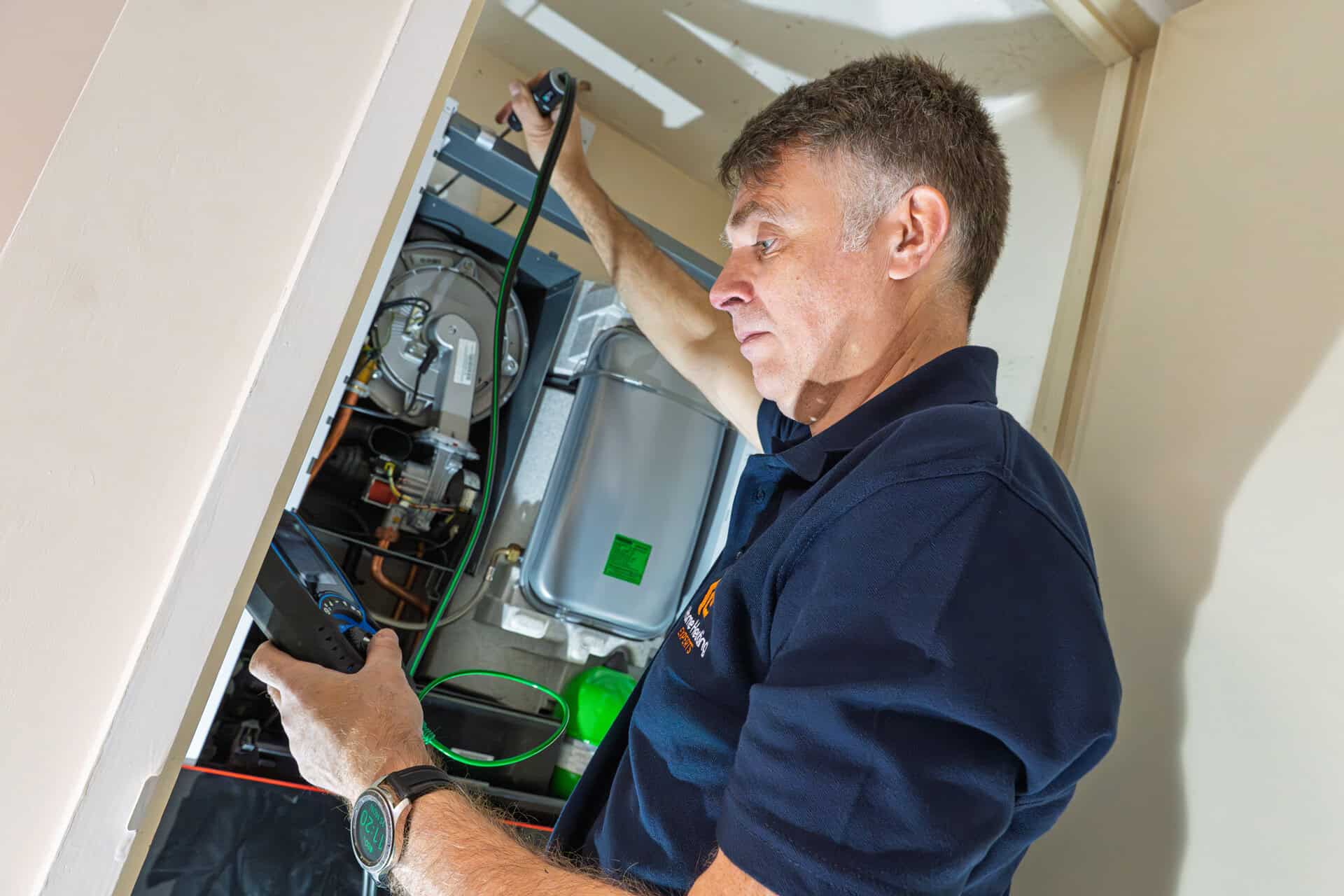
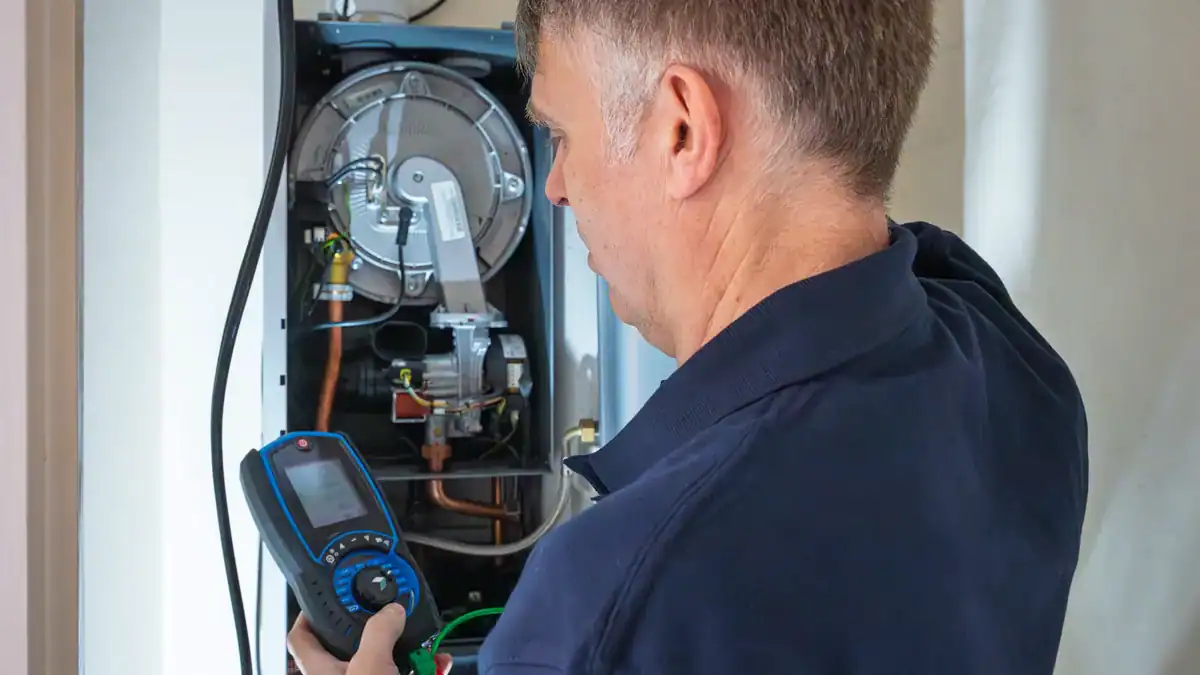
The work should be completed by an installer who is qualified and competent to install unvented hot water storage systems. They should assess the mains supply, size the cylinder, plan safe discharge pipework and commission the system correctly.
You should never attempt to adjust a safety valve or alter the discharge pipework yourself. If water is being discharged or the system behaves unexpectedly, contact a qualified engineer.
Does an Unvented Cylinder Need Servicing?
Yes. Regular maintenance helps confirm that pressure controls, expansion arrangements and safety devices remain in good condition. The engineer can also check for leaks, scale, corrosion and signs of unusual discharge.
The required interval should follow the cylinder manufacturer's instructions. Many homeowners arrange this inspection alongside their annual boiler service where the systems are connected.
If you notice water continuously running from a discharge pipe, changes in hot water pressure, unusual noises or a loss of hot water, arrange an inspection rather than attempting a repair.
Unvented Hot Water Systems in Derby
Every home has different water pressure, space and hot water requirements. Home Heating Experts surveys properties across Derby and the surrounding area before recommending an unvented cylinder or an alternative system.
With over 17 years of heating and plumbing experience, our team can install, repair and maintain unvented hot water systems while coordinating the cylinder with your boiler, controls and wider plumbing.
Final Thoughts
An unvented cylinder can provide strong hot water performance for homes with several occupants or bathrooms. It can also remove the need for a loft tank and offer more flexibility over system design.
The mains supply, cylinder size, available space and safety requirements all need professional assessment. If you are considering an unvented hot water cylinder in Derby, contact Home Heating Experts or call 07990 755180 for honest advice and a fast quote.