Why Your Heating Bills Might Be Higher Than Usual
Many homeowners notice their heating costs rising over time, even when they believe they are using their heating system in the same way as before. Higher energy bills can often be linked to heating efficiency problems within the home.
Understanding the common reasons heating costs increase can help homeowners identify where improvements can be made. In this guide we explain why heating bills may rise and what Derby homeowners can do to reduce energy waste and improve system efficiency.
Quick Answer
Heating bills often increase due to reduced boiler efficiency, poor insulation, heating system issues, or thermostats being set higher than necessary. Identifying the cause can help homeowners improve efficiency and reduce energy usage.
Boilers Becoming Less Efficient Over Time
As boilers age, their efficiency can gradually decline. Components wear down, internal parts become dirty and the system may need more energy to produce the same amount of heat.
If your boiler has not been serviced recently, efficiency may drop without you noticing until energy bills increase.
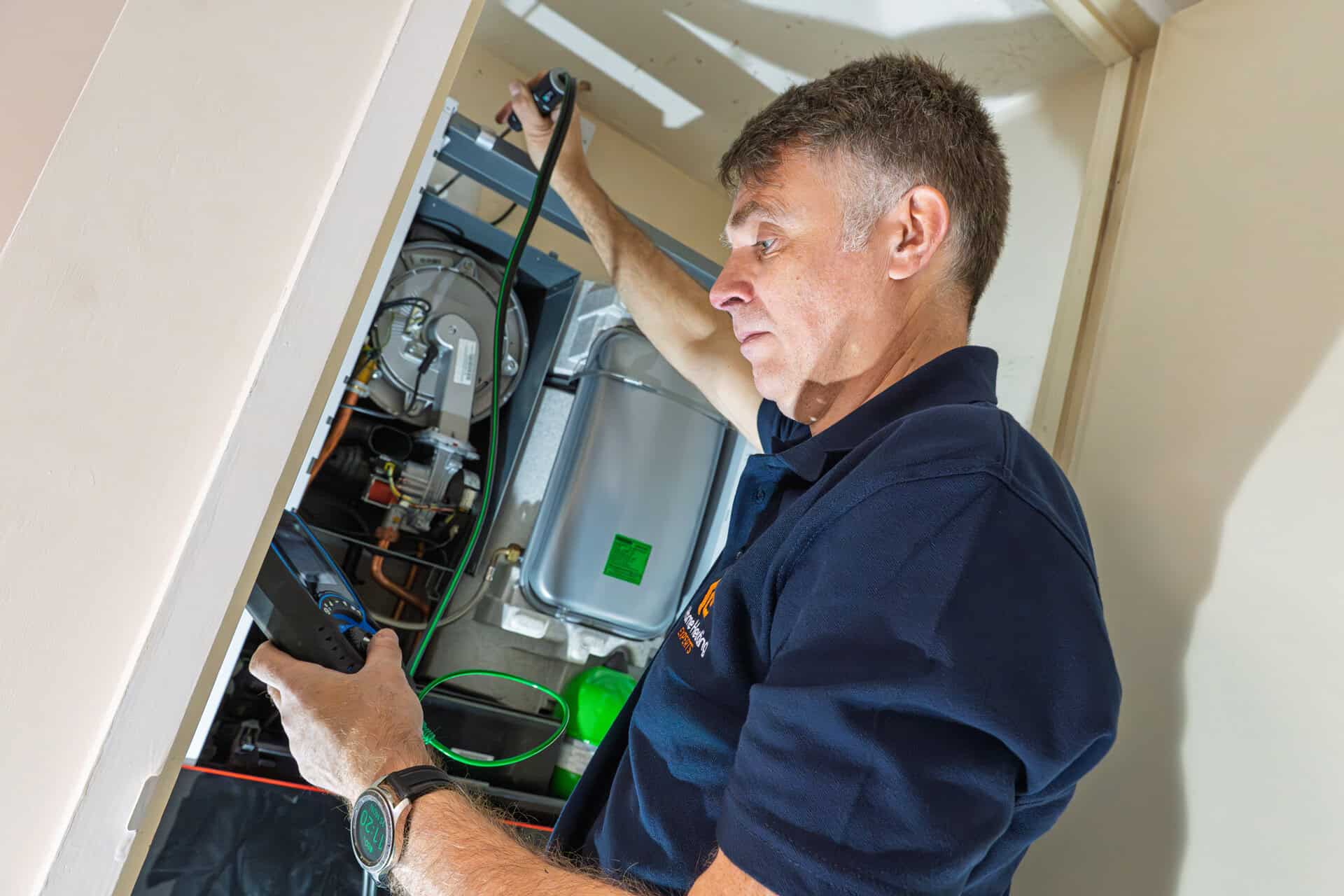
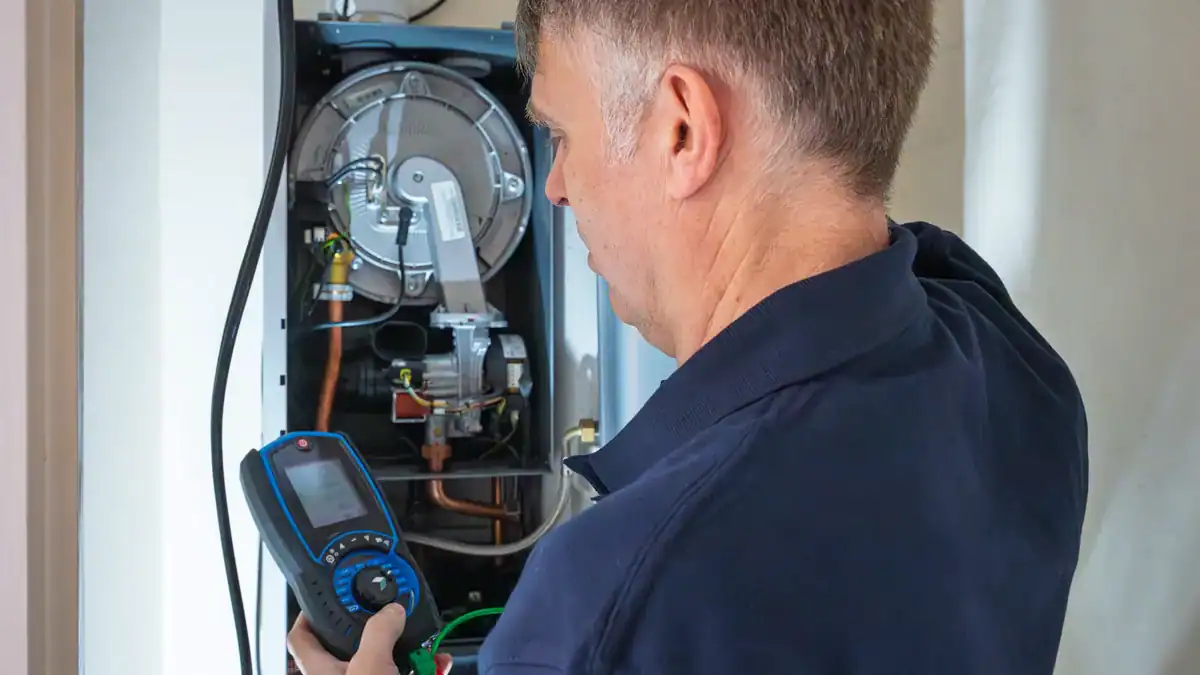
Regular maintenance such as a boiler service in Derby can help maintain efficiency and reduce unnecessary energy consumption.
Radiators Not Heating Properly
Radiators that are partially blocked by sludge or air can prevent heat from circulating properly through your home. When this happens, homeowners often turn up the thermostat to compensate for colder rooms.
This causes the boiler to run for longer periods, which increases energy usage.
If your heating system is not warming the home evenly, it may be worth having the system inspected by a qualified heating engineer in Derby.
Poor Home Insulation
Heat loss through walls, windows and loft spaces can significantly increase heating costs. If warm air escapes quickly from the home, the heating system must run more frequently to maintain a comfortable temperature.
Improving insulation can help retain heat for longer periods and reduce the demand placed on your boiler.
Thermostat Settings
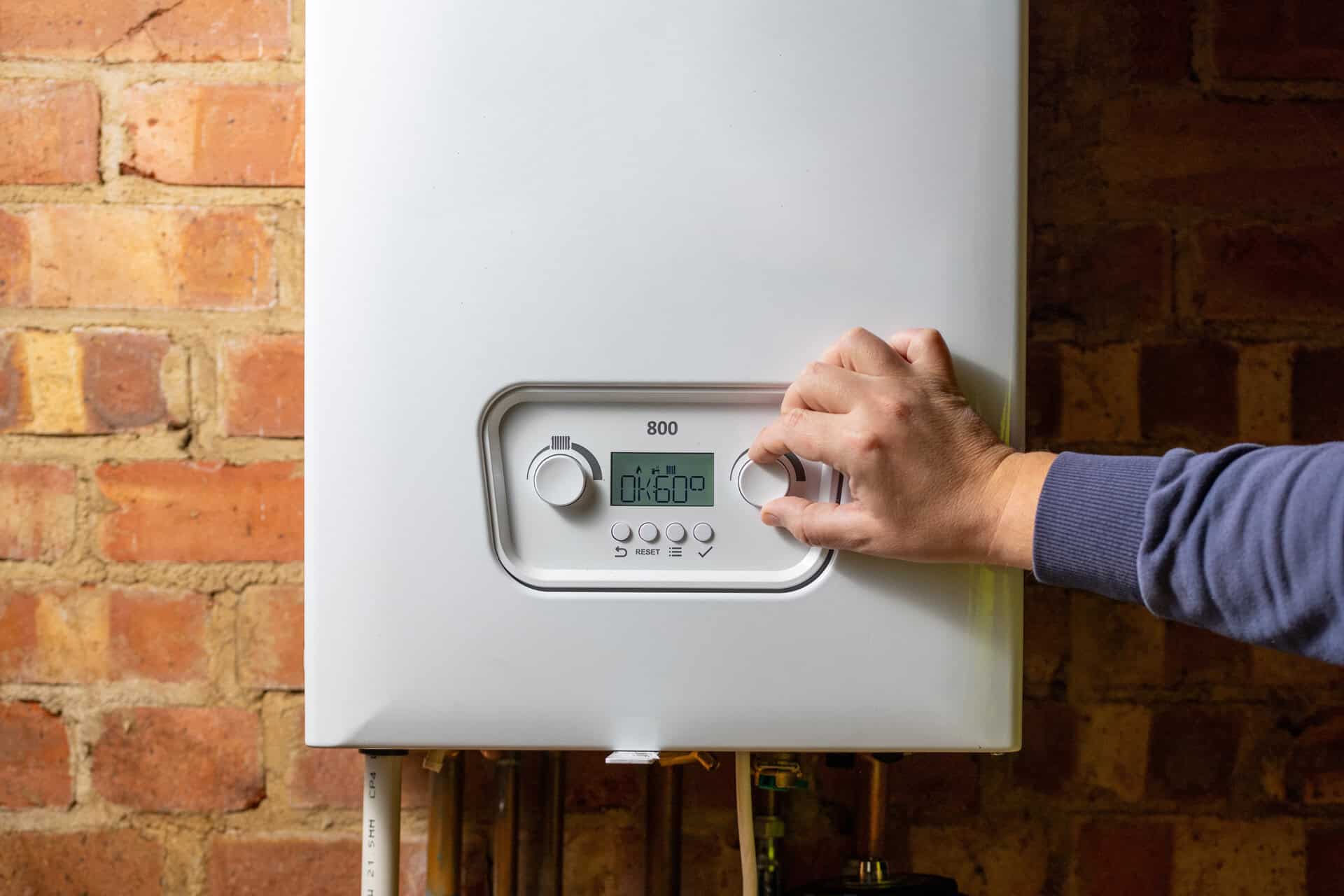
Small adjustments to thermostat settings can have a noticeable impact on heating costs. Increasing the temperature by just one degree can raise energy consumption significantly over time.
Setting thermostats to comfortable but efficient levels can help control heating expenses.
Older Heating Systems
If your boiler is over ten years old, it may not be operating as efficiently as modern systems. Newer boilers are designed to convert more fuel into usable heat, reducing overall energy usage.
Upgrading to a newer system can often reduce heating costs in the long term. You can learn more about new boiler installation in Derby if your current system is becoming inefficient.
When Higher Bills Indicate a Problem
Sometimes rising heating costs can indicate a developing fault within the heating system. If your boiler is running constantly, making unusual noises or struggling to heat the home properly, it may require professional attention.
Home Heating Experts offers reliable boiler repair in Derby to identify and resolve heating problems quickly.
Improving Heating Efficiency
Several steps can help improve heating efficiency and reduce energy costs:
- Schedule regular boiler servicing
- Bleed radiators to remove trapped air
- Improve insulation where possible
- Use thermostats efficiently
- Address heating system problems early
These simple improvements can make a noticeable difference to heating performance and household energy bills.
Final Thoughts
Higher heating bills can often be traced back to efficiency issues within the heating system or the home itself. Identifying the cause early can help homeowners reduce energy waste and maintain a comfortable living environment.
If you are concerned about rising heating costs, contact Home Heating Experts for expert advice and heating support across Derby.