Why Your Radiators Are Still Cold After Bleeding Them
Many homeowners in Derby assume that bleeding a radiator will immediately solve heating problems. While trapped air is one of the most common causes of cold radiators, it is not always the only issue affecting your heating system. If you have not yet worked through the basic checks, start with our guide to common reasons radiators will not heat up.
If your radiators are still cold after bleeding them, there may be a deeper problem within the system that needs professional attention. Sludge build-up, circulation problems and faulty valves can all prevent hot water from moving around your home properly.
In this guide, we explain the most common causes, the warning signs to look out for, and when it may be time to contact a heating engineer.
Quick Answer
If your radiators are still cold after bleeding them, the issue could be caused by sludge build-up, circulation problems, faulty radiator valves or an unbalanced heating system. A professional heating engineer can diagnose the problem and restore heating performance.
Why Bleeding a Radiator Does Not Always Solve the Problem
Bleeding a radiator removes trapped air from inside the system. This allows hot water to circulate properly again and is often enough to fix minor heating issues.
However, if the radiator remains cold afterwards, this usually means there is another issue preventing heat from flowing correctly through the system.
Many heating problems develop gradually over time. Homeowners often only notice the issue once radiators stop heating properly or certain rooms become noticeably colder than others.
In older Derby homes especially, heating systems can suffer from years of internal corrosion and sludge accumulation without homeowners realising it.
What Happens Inside a Dirty Heating System?
Over time, rust, debris and sludge naturally build up inside radiators and pipework.
This happens because metal components inside the heating system react with oxygen and water. Small rust particles begin circulating around the system before eventually settling in radiators and low-flow areas.
As sludge builds up, it restricts circulation and reduces heating efficiency.
This can cause:
- Cold spots on radiators
- Slow heating response times
- Increased boiler strain
- Noisy pipework
- Higher energy bills
- Uneven heating around the property
Many homeowners initially think the issue is simply trapped air, but bleeding alone will not remove sludge from the system.
Common Reasons Radiators Stay Cold After Bleeding
There are several possible reasons why your radiators may still not heat properly.
Sludge Build-Up Inside the Radiator
One of the most common causes is sludge settling at the bottom of the radiator.
If the top of the radiator feels warm but the bottom stays cold, this is often a strong indication that sludge is blocking proper circulation.
In severe cases, some radiators may remain almost completely cold despite the heating system running normally.
A professional power flush in Derby may be required to remove the build-up properly.
Faulty Thermostatic Radiator Valve
Thermostatic radiator valves can sometimes stick or seize, especially if they have not been adjusted for long periods.
The internal pin may become stuck closed, preventing hot water from entering the radiator.
This is a fairly common issue during warmer months when heating systems are not used regularly.
The Heating System Needs Balancing
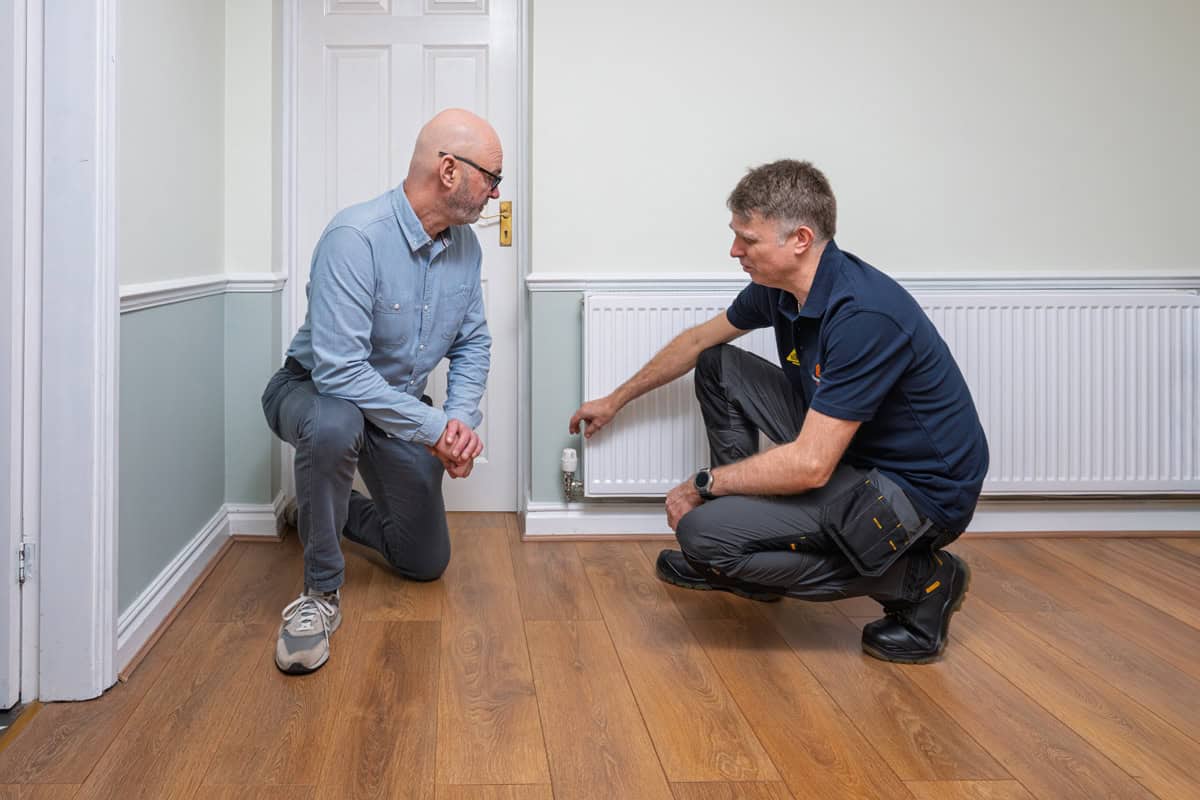
Balancing a heating system ensures each radiator receives the correct amount of hot water.
Without balancing, radiators closest to the boiler may heat up quickly while others further away struggle to warm properly.
This is particularly common in larger properties or older systems that have been modified over the years.
Circulation Pump Problems
The circulation pump is responsible for moving hot water around your heating system.
If the pump becomes weak or faulty, certain radiators may not receive enough hot water to heat properly.
Signs of pump issues can include:
- Multiple cold radiators
- Unusual noises
- Slow heating throughout the property
- The boiler overheating
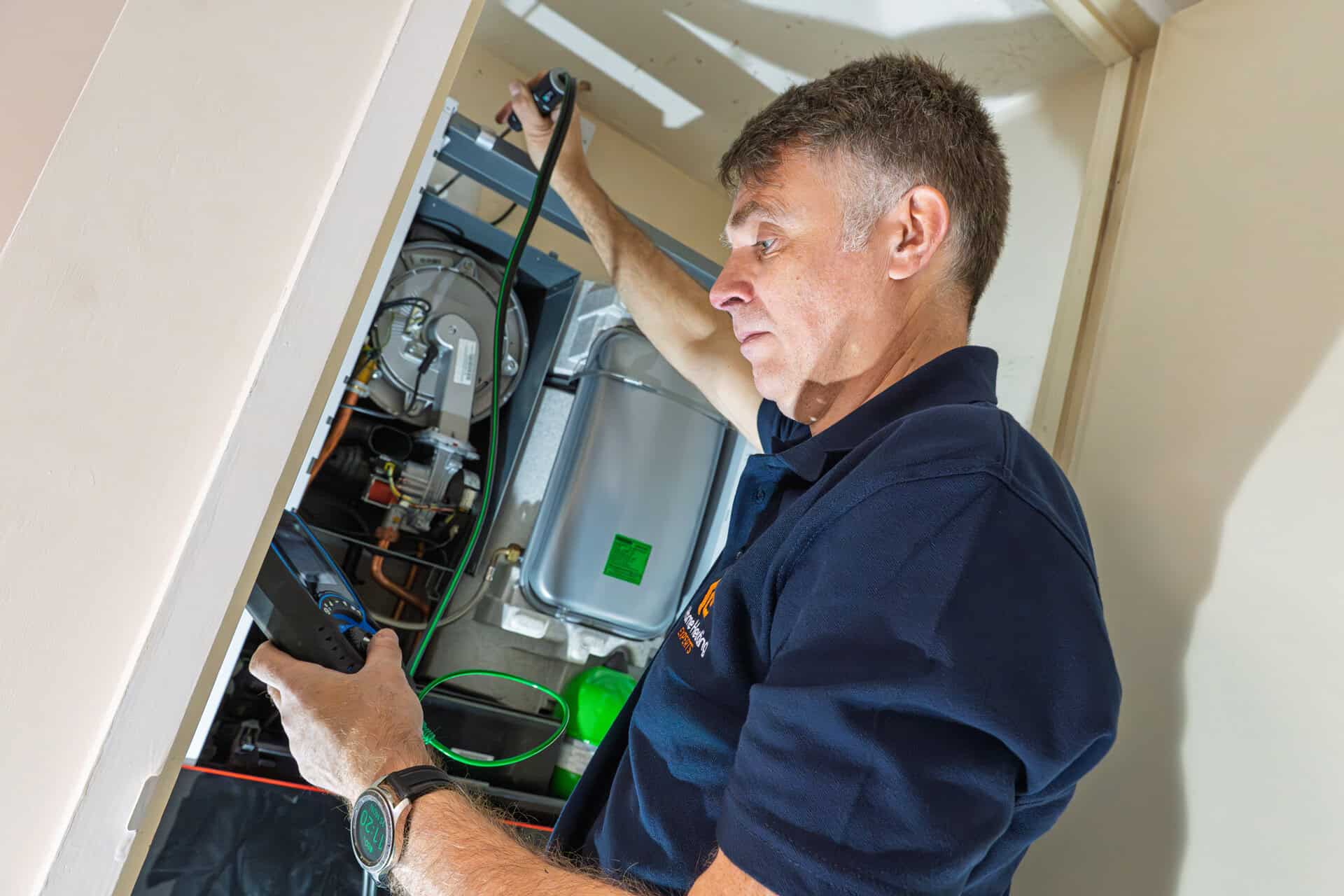
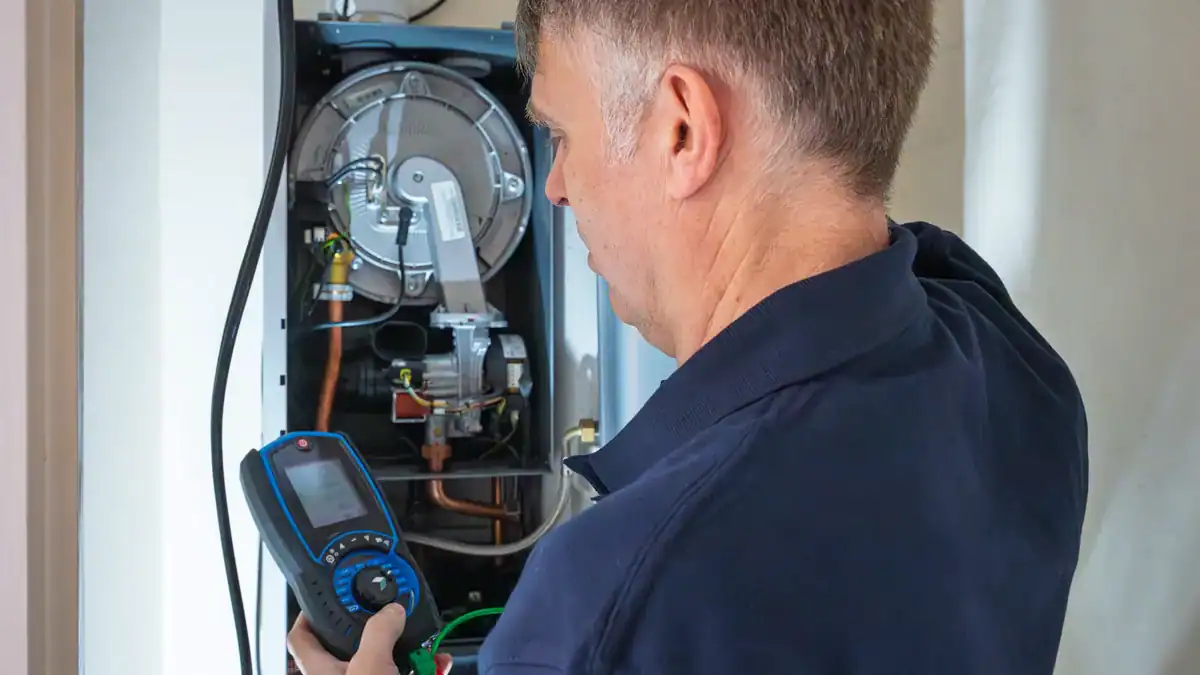
If circulation problems are suspected, it is best to arrange an inspection from a heating engineer in Derby.
Low Boiler Pressure
Low pressure can reduce the ability of your heating system to circulate water effectively.
Most boilers operate best between 1 and 2 bar pressure. If pressure falls too low, radiators may heat unevenly or remain cold altogether.
Repeated pressure loss can also indicate leaks or other system faults.
Why Older Derby Homes Often Experience Heating Problems
Many homes across Derby still operate older heating systems that have gradually accumulated sludge and corrosion over many years.
Properties with older pipework or radiators are often more vulnerable to circulation issues and uneven heating.
In many cases, homeowners only become aware of the problem once:
- Energy bills begin increasing
- Rooms become difficult to heat
- The boiler becomes noisy
- Radiators develop cold spots
Without regular maintenance, these issues can continue worsening over time.
Can Cold Radiators Increase Energy Bills?
Yes. When radiators do not heat properly, your boiler often needs to work harder and run for longer periods to maintain comfortable temperatures.
This increases energy usage and places additional strain on the heating system.
Even a partially blocked radiator can reduce efficiency throughout the property.
Many homeowners are surprised how much warmer and more responsive their heating system feels after professional cleaning and balancing.
What You Can Check Yourself
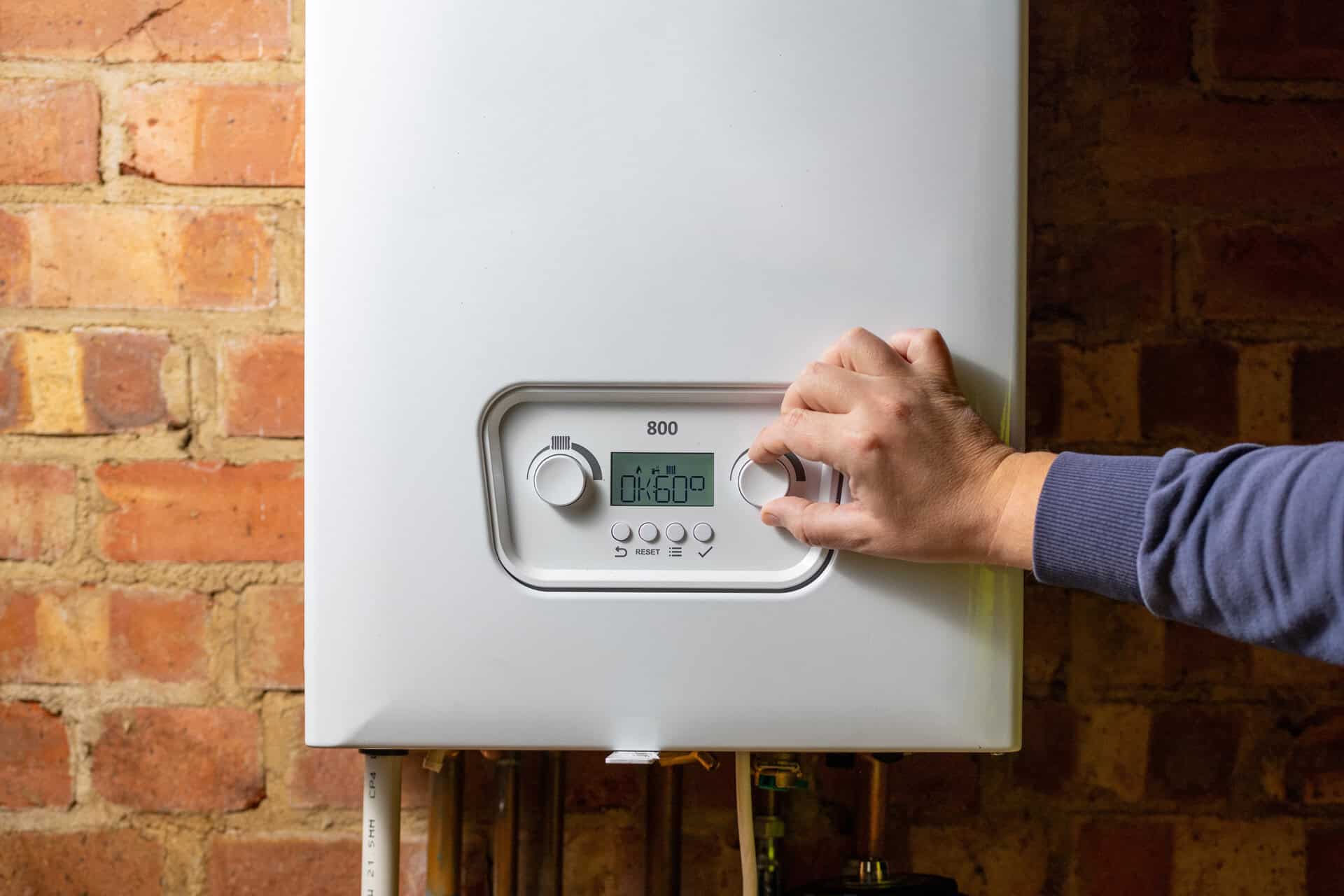
Before contacting a heating engineer, there are a few simple checks homeowners can carry out safely.
- Make sure radiator valves are fully open
- Check boiler pressure levels
- Test whether other radiators are heating normally
- Listen for unusual boiler or pipe noises
- Look for visible leaks around radiators or valves
If problems continue after these checks, professional diagnosis is usually recommended.
What Happens If You Ignore Cold Radiators?
Ignoring heating issues can often lead to larger and more expensive problems later on.
As circulation problems worsen, the boiler may come under increasing strain. Sludge build-up can also damage components including pumps, heat exchangers and valves.
Over time, unresolved heating issues may contribute to:
- Reduced boiler lifespan
- Higher repair costs
- More frequent breakdowns
- Poor heating efficiency
- Increased energy bills
Addressing the issue early is usually the most cost-effective approach.
How a Power Flush Can Help
A professional power flush removes sludge, rust and debris from your heating system using specialist equipment and cleaning chemicals.
Benefits often include:
- Improved radiator performance
- Better heat circulation
- Reduced boiler strain
- Lower energy usage
- Faster heating response times
Many homeowners notice immediate improvements in both comfort and heating efficiency after a power flush.
How to Prevent Heating Problems in Future
Regular maintenance plays a major role in keeping your heating system operating efficiently.
To help reduce future heating problems:
- Book annual boiler servicing
- Use inhibitor chemicals
- Install a magnetic filter
- Address small issues early
- Check boiler pressure occasionally
An annual boiler service in Derby can help identify circulation issues before they become more serious.
Professional Heating Repairs in Derby
At Home Heating Experts, we help homeowners across Derby diagnose and repair heating problems quickly and professionally.
Whether your radiators are staying cold, your system needs balancing or your heating system requires a power flush, our experienced engineers can help restore reliable heating throughout your home.
Final Thoughts
If your radiators are still cold after bleeding them, there is usually another issue affecting your heating system.
Identifying the cause early can help improve heating efficiency, reduce energy bills and avoid more expensive repairs later on.
If your heating system is not performing properly, contact Home Heating Experts for expert advice and professional heating support across Derby.