What Should You Do With Your Central Heating When You Go On Holiday?
Before going away on holiday, most people remember to lock the doors, empty the bins and check the windows. However, it is also worth thinking about your central heating system before you leave the house empty.
Many homeowners are unsure whether they should turn their heating off completely, leave the boiler on, adjust the thermostat or switch off the hot water. The right option will depend on the time of year, the length of time you are away and the type of heating system you have.
Here are a few simple things to consider before going on holiday.
Quick Answer
In summer, you can usually turn your heating off or reduce the thermostat so the system does not come on unnecessarily while you are away. In winter, it is usually better to leave the heating on a low setting or use frost protection to help reduce the risk of frozen pipes.
You should also check your boiler pressure before you leave, make sure there are no leaks or fault codes, and use holiday mode if your heating controls have this option.
Should You Turn Your Heating Off Completely?
If you are going away during the warmer months, you may be able to turn your heating off or set your thermostat low enough that the heating does not come on unnecessarily.
During colder weather, it is usually better to leave your heating on a low setting rather than switching everything off completely. This can help reduce the risk of frozen pipes, especially if the temperature drops while you are away.
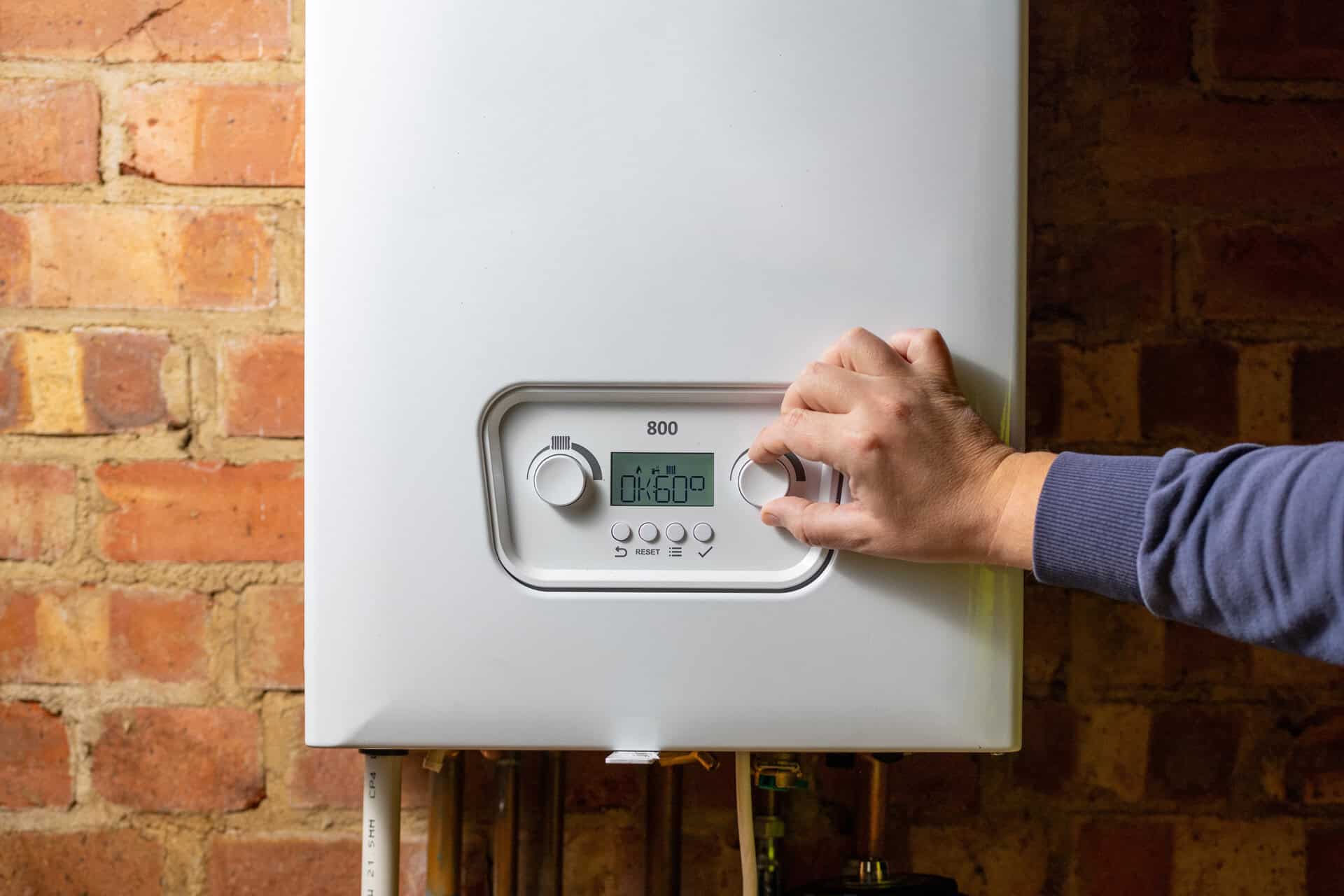
If your heating controls have a holiday mode or frost protection setting, this can be a useful option. It allows the system to protect the property without heating the home as normal.
What Temperature Should You Leave Your Heating On?
You do not need your home to be warm and comfortable while you are away, but you may want to stop it getting too cold.
Many homeowners choose a low thermostat setting during winter holidays. The right temperature can depend on the age of the property, how well insulated it is and where the pipework is located.
Older homes, empty properties and houses with pipework in colder areas may need more care. If you are unsure, it is worth asking a qualified heating engineer for advice before leaving the system off for a longer period.
Should You Turn The Boiler Off?
In many cases, you do not need to turn your boiler off completely when you go on holiday.
Modern boilers and heating controls are designed to work efficiently, and switching the boiler off at the mains could stop useful features such as frost protection from working.
However, if your boiler has been losing pressure, showing a fault code, leaking or making unusual noises, you should not ignore it before going away. It is much better to deal with a potential issue before your holiday than come home to no heating or hot water.
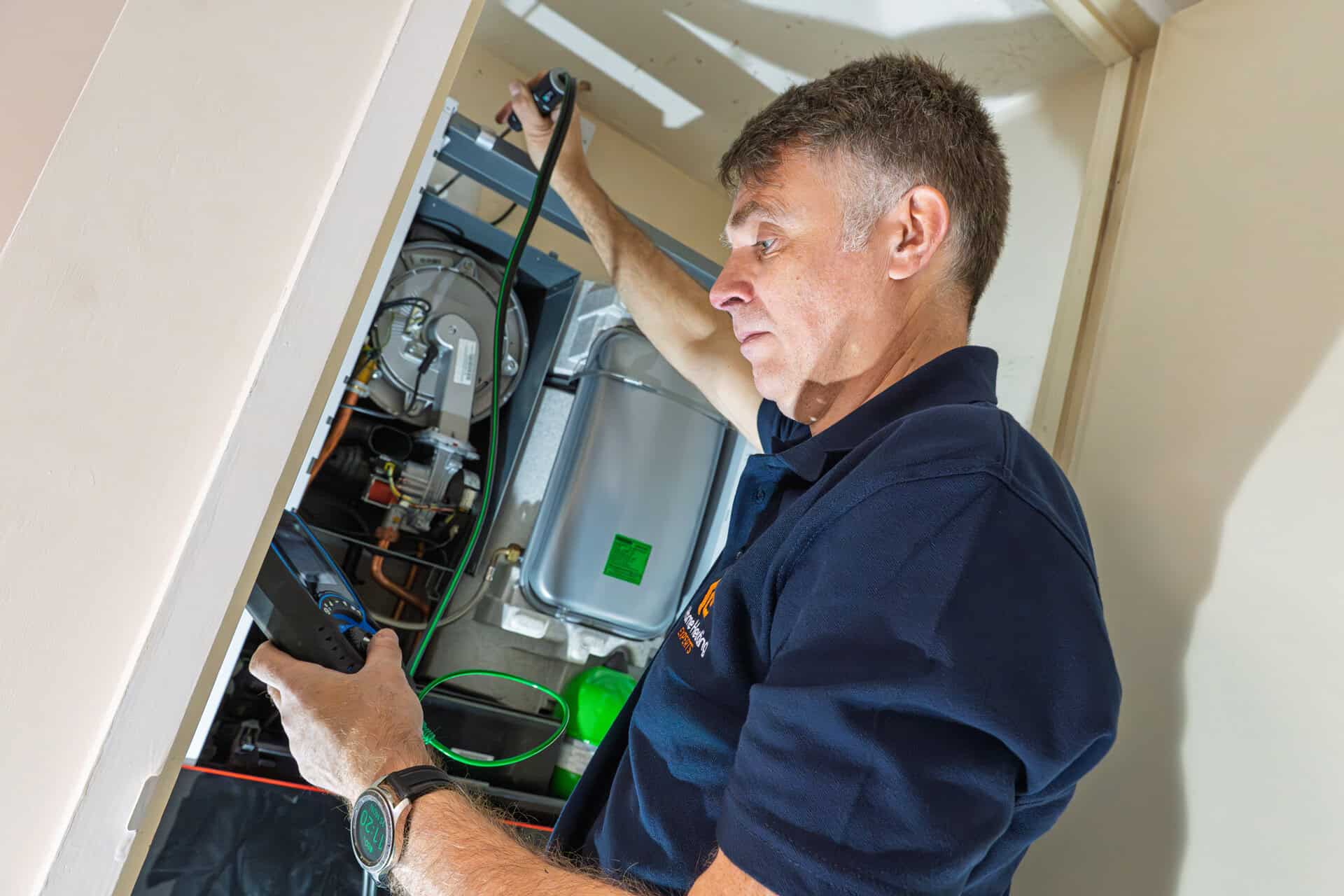
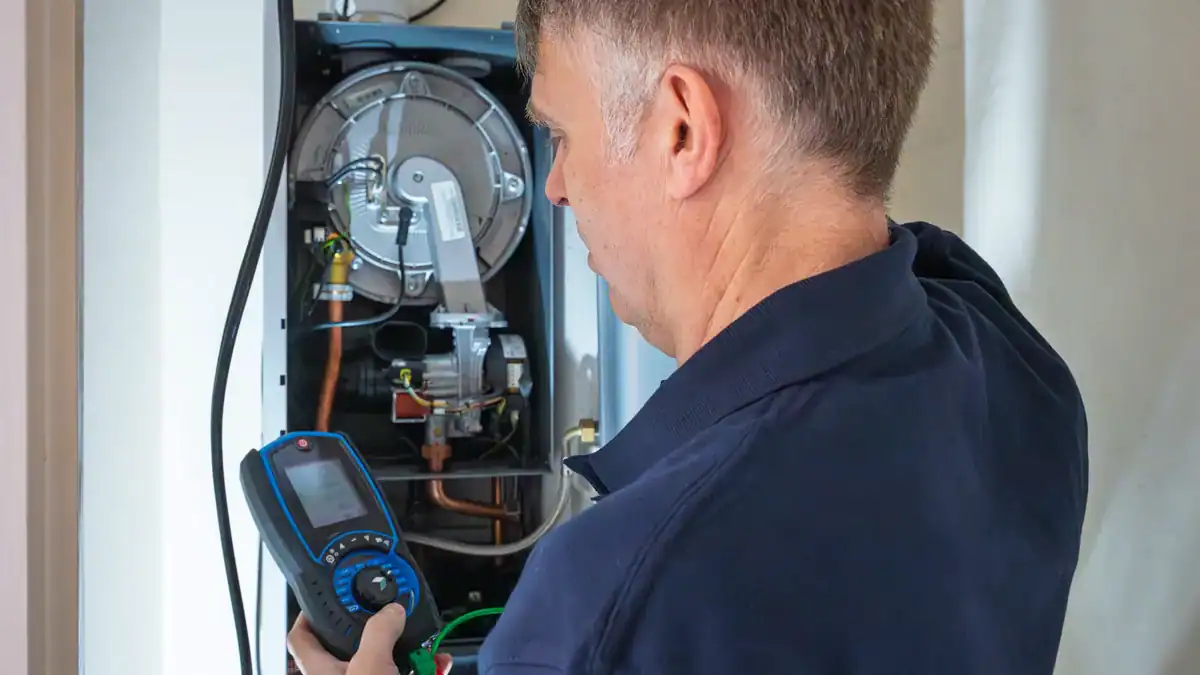
If your boiler has not been checked for a while, you may want to arrange a boiler service before you leave.
Check Your Boiler Pressure Before You Go
Before going away, take a quick look at your boiler pressure gauge.
If the pressure is too low, your boiler may not work properly. If the pressure has been dropping regularly, this could point to a leak or another issue within the heating system.
You should not need to keep topping up your boiler pressure again and again. If this is happening, it is worth arranging a boiler repair before leaving the house empty.
What About Hot Water?
What you do with your hot water will depend on the type of system you have.
If you have a combi boiler, your hot water is usually heated on demand, so there may be very little to change before you go away.
If you have a hot water cylinder, you may be able to adjust or turn off the hot water schedule while you are away, especially during the summer. If you are not sure how your system is set up, check your programmer or ask a heating engineer for advice.
Smart Thermostats Can Make Things Easier
If you have a smart thermostat, it can make managing your heating while you are away much easier.
Many smart heating controls allow you to adjust the temperature from your phone, use holiday mode and turn the heating back up before you arrive home.
This can help you avoid heating an empty house while still making sure your home is comfortable when you return.
If you are thinking about improving your heating controls, Home Heating Experts can help with smart thermostat installation and advice on the best setup for your home.
Should You Turn Off The Stop Tap?
If you are going away for more than a few days, you may also want to think about your water supply.
Some homeowners choose to turn off the main stop tap before going on holiday to reduce the risk of water damage from leaks. This can be especially useful if the property will be empty for a longer period.
Before doing this, make sure you understand your heating and hot water system. If you are not sure whether turning off the water supply is suitable for your home, ask a plumber or heating engineer first.
What Should You Check When You Get Home?
When you return from holiday, check that your boiler, heating controls and radiators are working as expected.
Turn your heating back to its normal schedule, check the boiler pressure and make sure your radiators are heating evenly. You should also look out for any leaks around the boiler, radiators or pipework.
If your heating does not come back on properly, your boiler has lost pressure or your radiators are not warming up, it may be time to contact a qualified engineer.
Final Thoughts
Before going on holiday, it is worth taking a few minutes to check your central heating system. In summer, you may be able to turn the heating off or reduce the thermostat. In winter, leaving the heating on a low setting can help protect your home from frozen pipes.
Checking your boiler pressure, using holiday mode and dealing with any faults before you leave can help you avoid problems when you return.
If you are unsure whether your heating system is ready before you go away, contact Home Heating Experts for expert advice and professional heating support across Derby and the surrounding areas.