Why Does My Boiler Keep Losing Pressure?
If your boiler keeps losing pressure, it can be frustrating, especially if you keep topping it up and the same problem comes back again.
Low boiler pressure can stop your heating and hot water from working properly. In some cases, it may be a simple issue, but if the pressure keeps dropping, it could point to a leak, a faulty part or a problem within the wider central heating system.
Here are some of the most common reasons your boiler may be losing pressure and when you should contact a qualified heating engineer.
Quick Answer
A boiler can lose pressure because of a leak, recently bled radiators, a faulty pressure relief valve, an expansion vessel issue or a problem inside the boiler.
If your boiler pressure drops once, you may be able to top it up by following the manufacturer’s instructions. However, if the pressure keeps dropping, you should arrange a professional inspection. You should not remove the boiler casing or attempt internal boiler repairs yourself.
What Should Boiler Pressure Be?
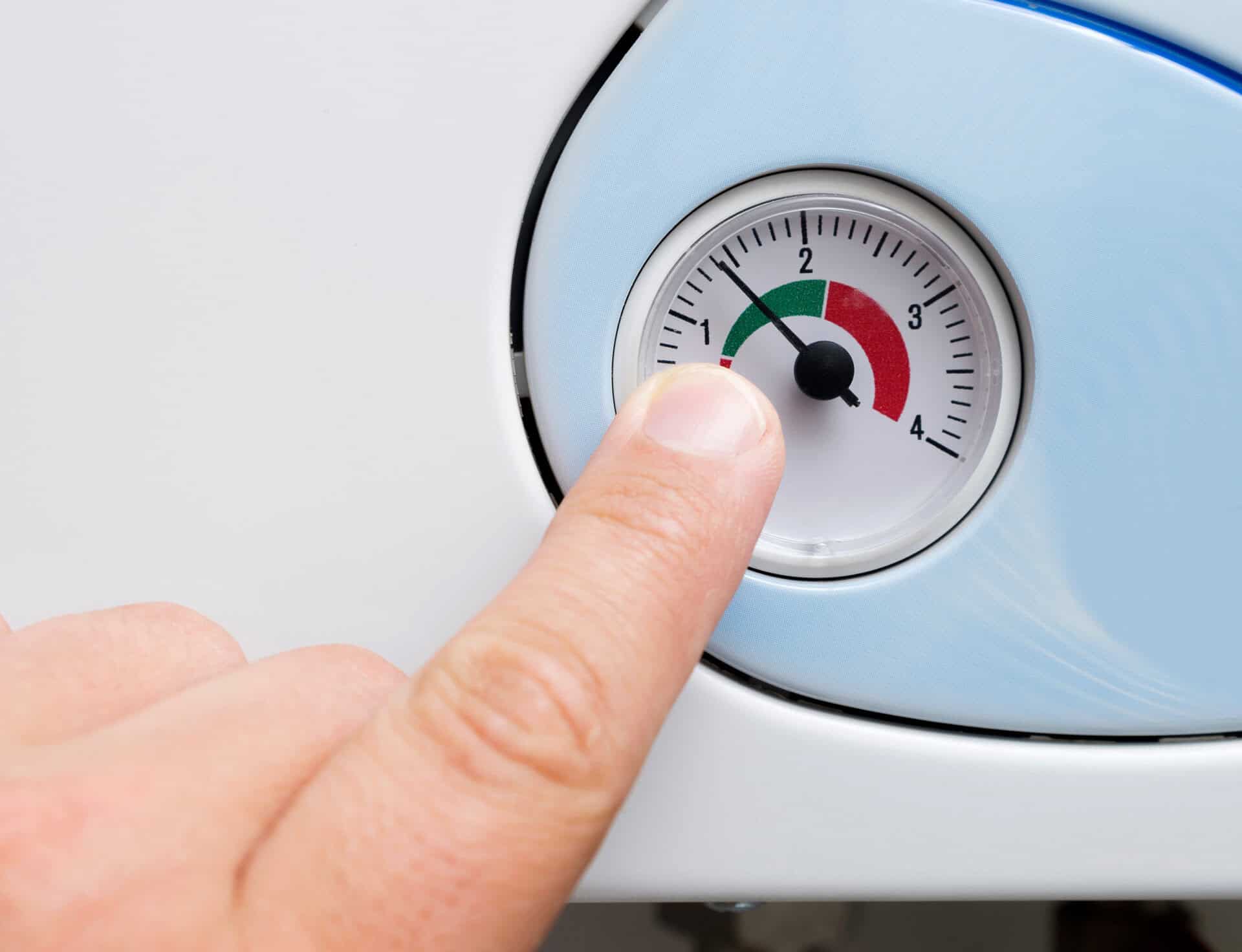
Most boilers have a pressure gauge on the front of the appliance. This shows the pressure inside your heating system.
For many domestic boilers, the pressure is usually around 1 to 1.5 bar when the system is cold, but you should always check your boiler manual for the correct pressure range for your specific model.
If the pressure drops too low, the boiler may lock out or stop working properly. If the pressure rises too high, this can also indicate a problem that needs checking.
Have You Recently Bled Your Radiators?
One of the simpler reasons for a drop in boiler pressure is recently bleeding your radiators.
When you bleed a radiator, trapped air is released from the heating system. This can cause the pressure to drop slightly afterwards.
If the pressure has only dropped once after bleeding the radiators, you may just need to repressurise the boiler by following the instructions in your boiler manual. However, if the pressure continues to fall, there may be another issue within the system.
Could There Be A Leak In The Heating System?
A leak is one of the most common reasons a boiler keeps losing pressure.
Sometimes leaks are obvious. You may notice water around the boiler, damp patches near radiators, dripping radiator valves or staining around pipework.
Other leaks can be harder to find, especially if pipework is hidden under floors or behind walls. Even a small leak can cause the boiler pressure to drop over time.
If you suspect a leak, it is best to arrange a boiler repair or heating system inspection before the issue becomes worse.
Is The Pressure Relief Valve Causing The Problem?
Your boiler has safety components designed to protect the system if the pressure gets too high.
If the pressure relief valve has opened, water may be discharged from the system. This can cause the boiler pressure to drop afterwards.
In some cases, the valve may not reseal properly, which means the pressure continues to fall. This is not something you should try to repair yourself, as it involves the boiler and its safety components.
Could It Be The Expansion Vessel?
The expansion vessel helps manage changes in pressure as your heating system warms up and cools down.
If there is a problem with the expansion vessel, you may notice the boiler pressure rising when the heating is on and then dropping again once the system cools.
This can make it seem like the boiler is constantly losing pressure, even after you have topped it up.
An engineer can test the expansion vessel and check whether it needs repressurising, repairing or replacing.
Should You Keep Topping Up The Boiler?
Topping up the boiler pressure once may be fine if the pressure has dropped after bleeding radiators or after a one-off issue.
However, you should not need to keep topping up the boiler again and again. If you are doing this every few days or weeks, there is likely an underlying fault that needs attention.
Regularly topping up the system can also introduce fresh water into the heating system, which may increase the risk of corrosion over time.
If your pressure keeps dropping, it is better to find the cause rather than keep resetting the problem.
Do Not Remove The Boiler Casing Yourself
There are some checks homeowners can usually do safely, such as looking at the pressure gauge, checking for visible leaks and reading the boiler manual.
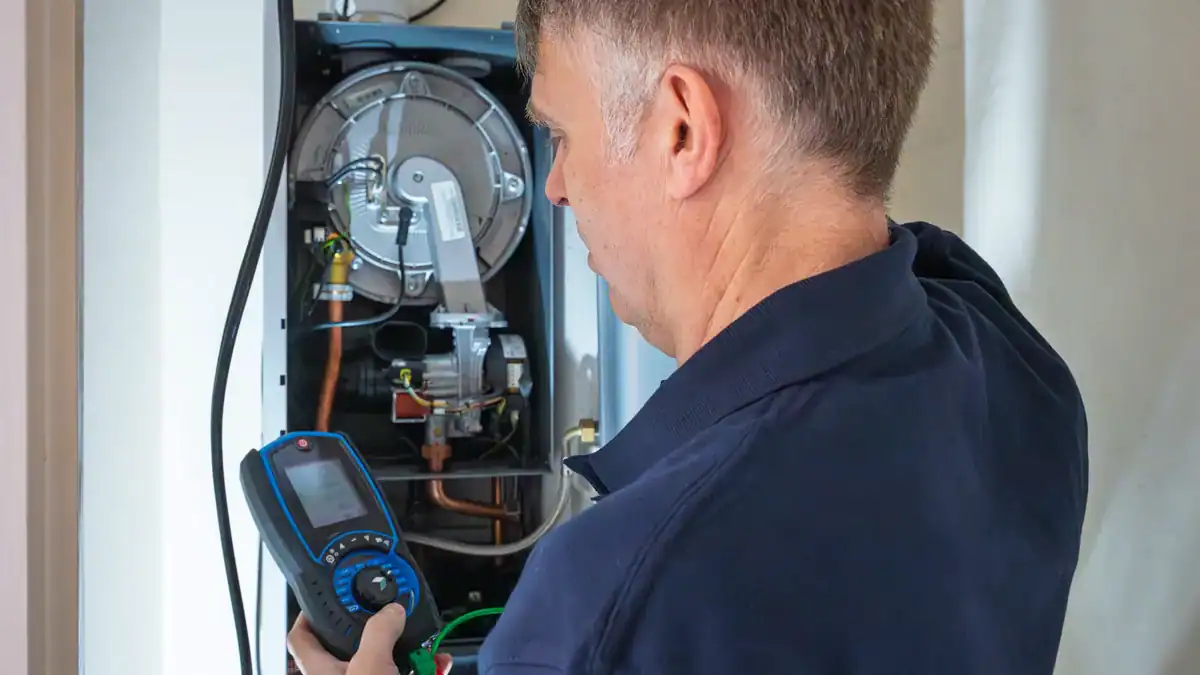
However, you should not remove the boiler casing or attempt to repair internal boiler components yourself.
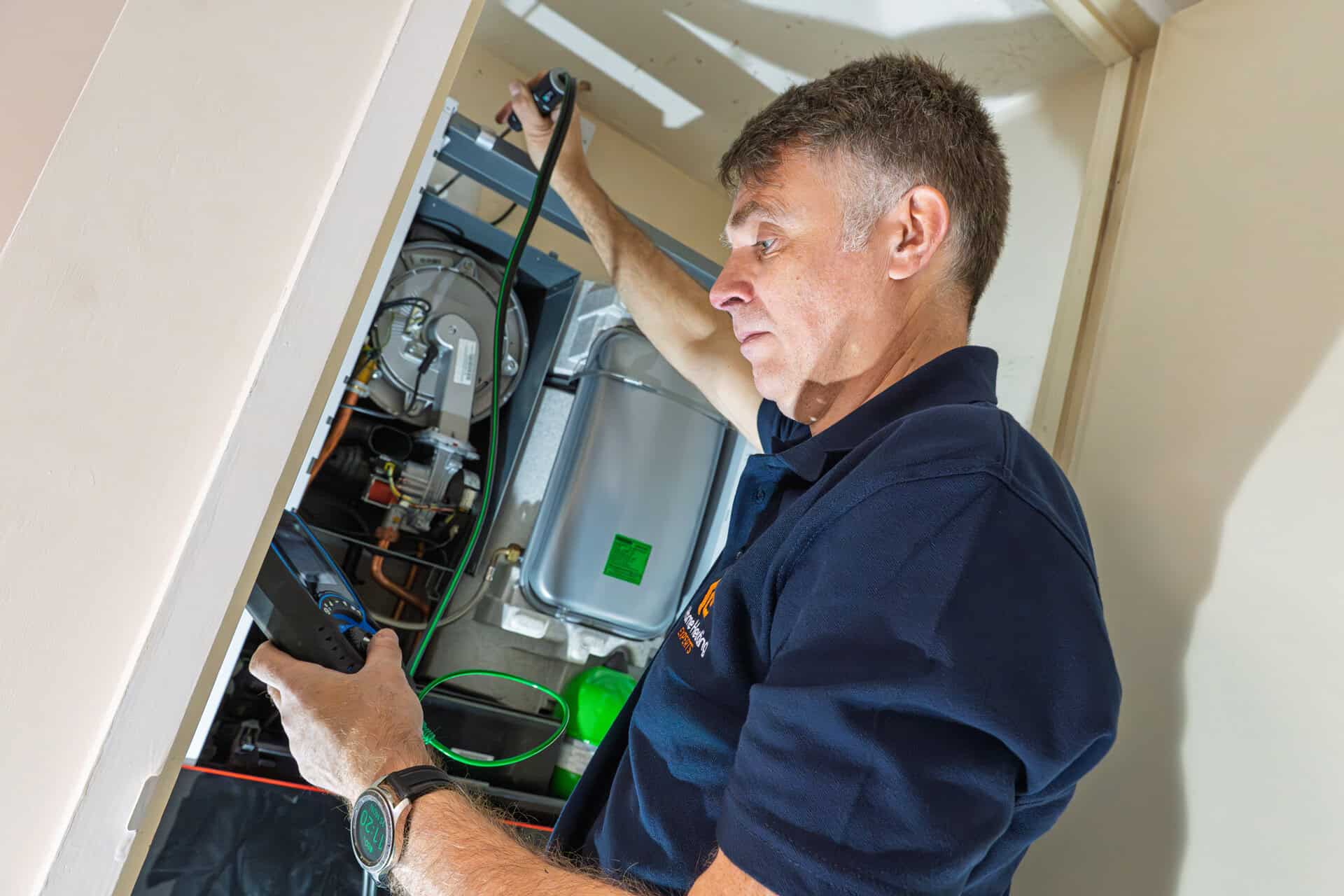
If the problem is inside the boiler, you should contact a Gas Safe registered engineer. This helps make sure the appliance is checked safely and correctly.
Can A Boiler Service Help?
A boiler service can help identify issues before they turn into bigger problems.
During a service, an engineer can check the condition of the boiler, look for signs of leaks or faults and make sure the appliance is operating safely.
If your boiler has been losing pressure or has not been checked for a while, booking a boiler service is a sensible step.
When Should You Call A Heating Engineer?
You should contact a heating engineer if your boiler pressure keeps dropping, the boiler is showing a fault code, you can see water leaking or the heating and hot water are not working properly.
You should also get help if the pressure rises too high, drops again soon after topping up or you are unsure how to repressurise the boiler safely.
A qualified engineer can check the boiler, radiators, pipework and wider central heating system to find out what is causing the issue.
Final Thoughts
A boiler that keeps losing pressure should not be ignored. While a one-off pressure drop may be easy to correct, repeated pressure loss usually means there is an underlying problem.
The cause could be a leak, recently bled radiators, a faulty pressure relief valve, an expansion vessel issue or a problem inside the boiler itself.
If your boiler pressure keeps dropping, contact Home Heating Experts for expert advice and professional boiler repairs across Derby and the surrounding areas.